You couldn’t get me on stage. No, not even if you promised me a new pair of shoes. I thought husband, Steve, would be the same way. But put big Tongan drums in front of a man and he turns into a boy.
That’s what happened at the Polynesian Cultural Center (PCC) on the island of Oahu. There are villages throughout the PCC, each representing Polynesian islands in the Pacific, specifically, Aotearoa (New Zealand), Fiji, Hawai’i, Samoa, Tahiti and Tonga, and it is the Tongan show that is a big hit with audiences.
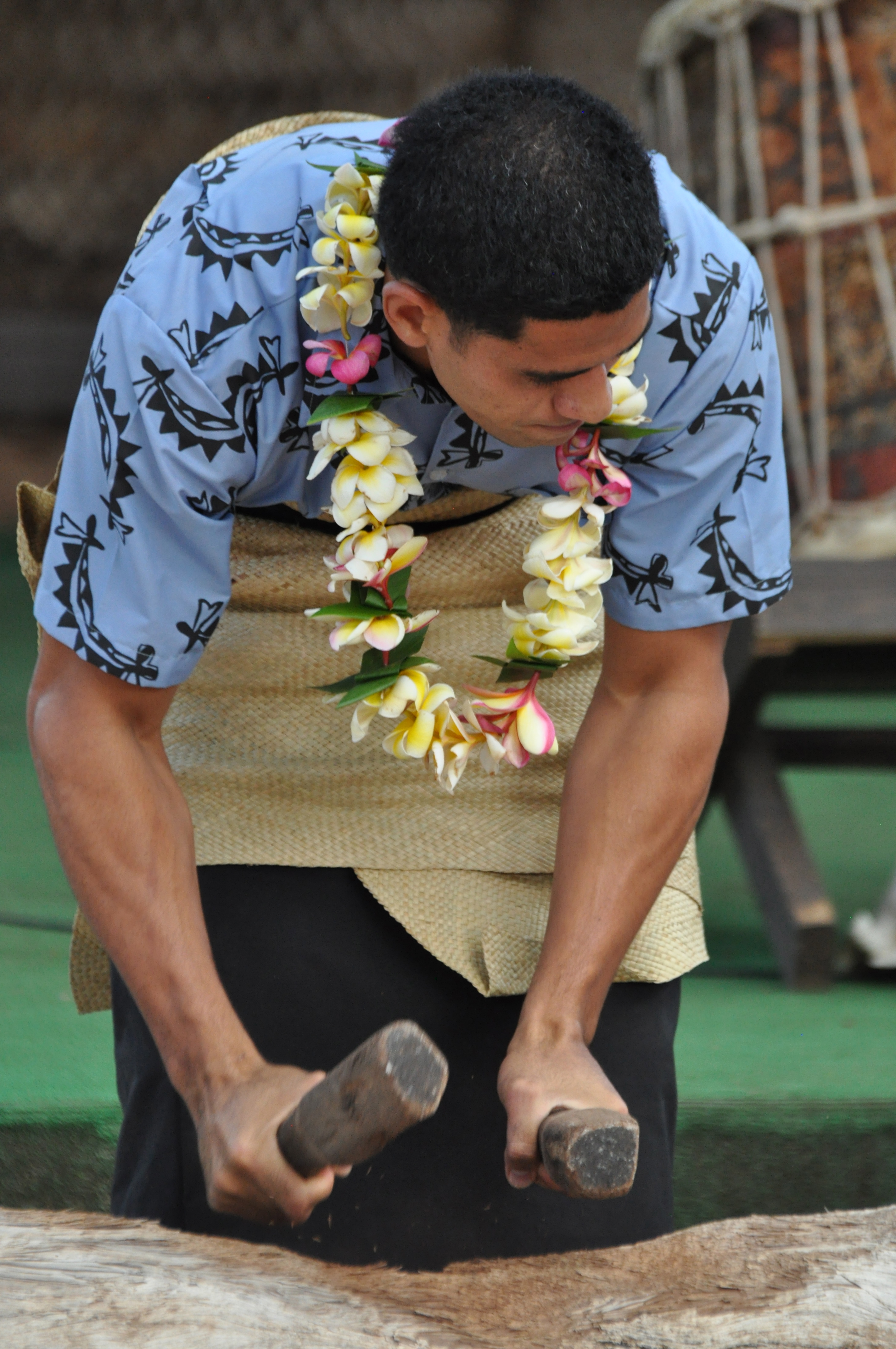
The show begins with a man blowing into a conch shell and drummers begin hammering away on the big drums. It’s the hollow beat, beat, beat that swoops through your chest and were it not for my fear of being looked at, I would have stood up, closed my eyes and started dancing.
The drumming or Tongan ta nafa has five performances a day, Mondays through Saturday. It’s an opportunity to not just see and hear the drumming, but three lucky individuals from the audience get to try their hand at it as well.
Little did I know Steve had a Tongan drummer spirit within him. Yes, my quiet, engineer-type, bookish husband was called up on the stage and he let loose on the drums.
Oh dear. Take a look at the video below. I think you’ll have a good laugh over this one. Afterward, my mother turned to me and exclaimed, “I had no idea Steve was like that at all!” Nor did I.
This is the first part in a series of blogs about the Polynesian Cultural Center in Laie, Hawaii (on the north shore of the island of Oahu).
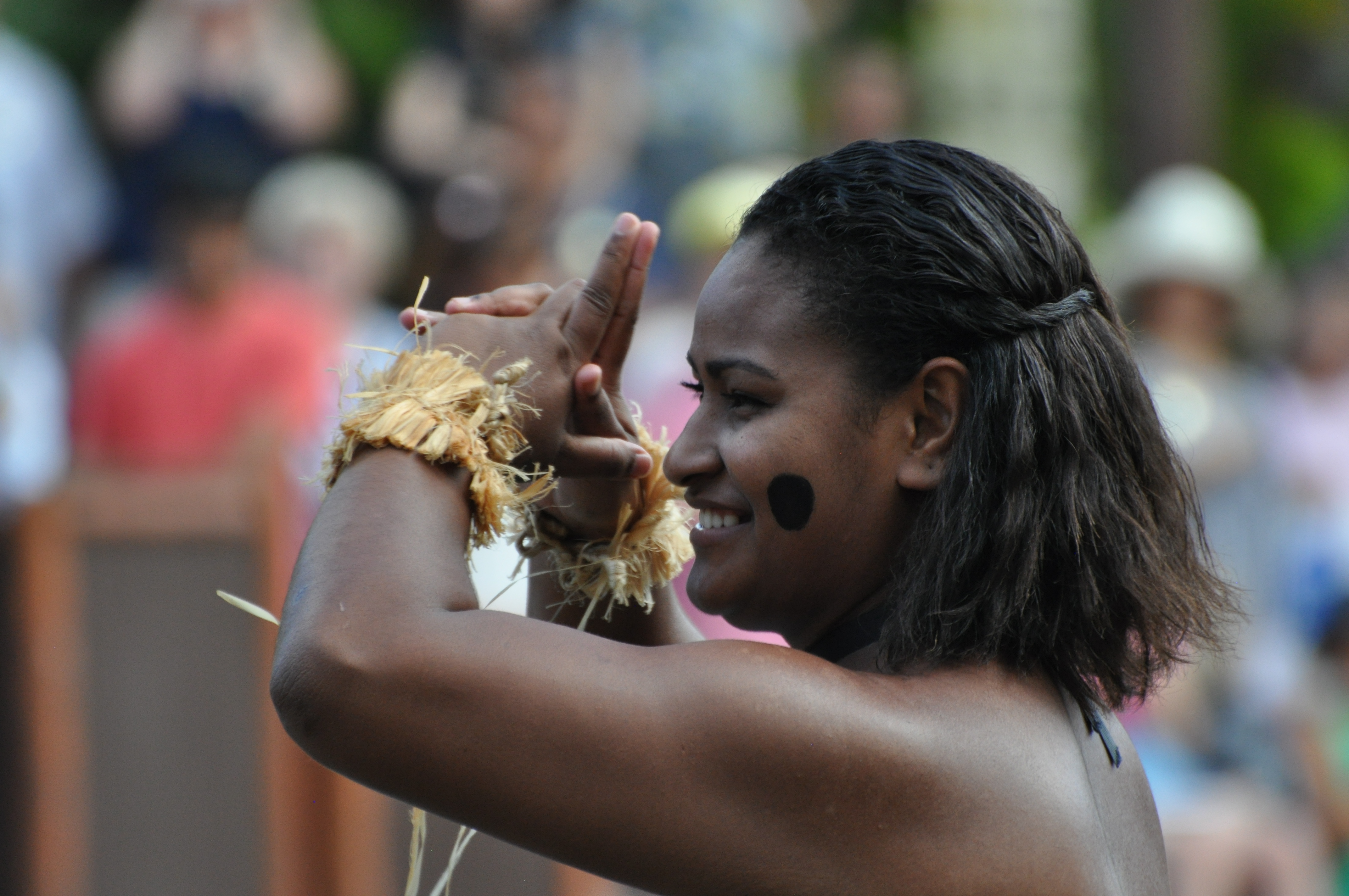
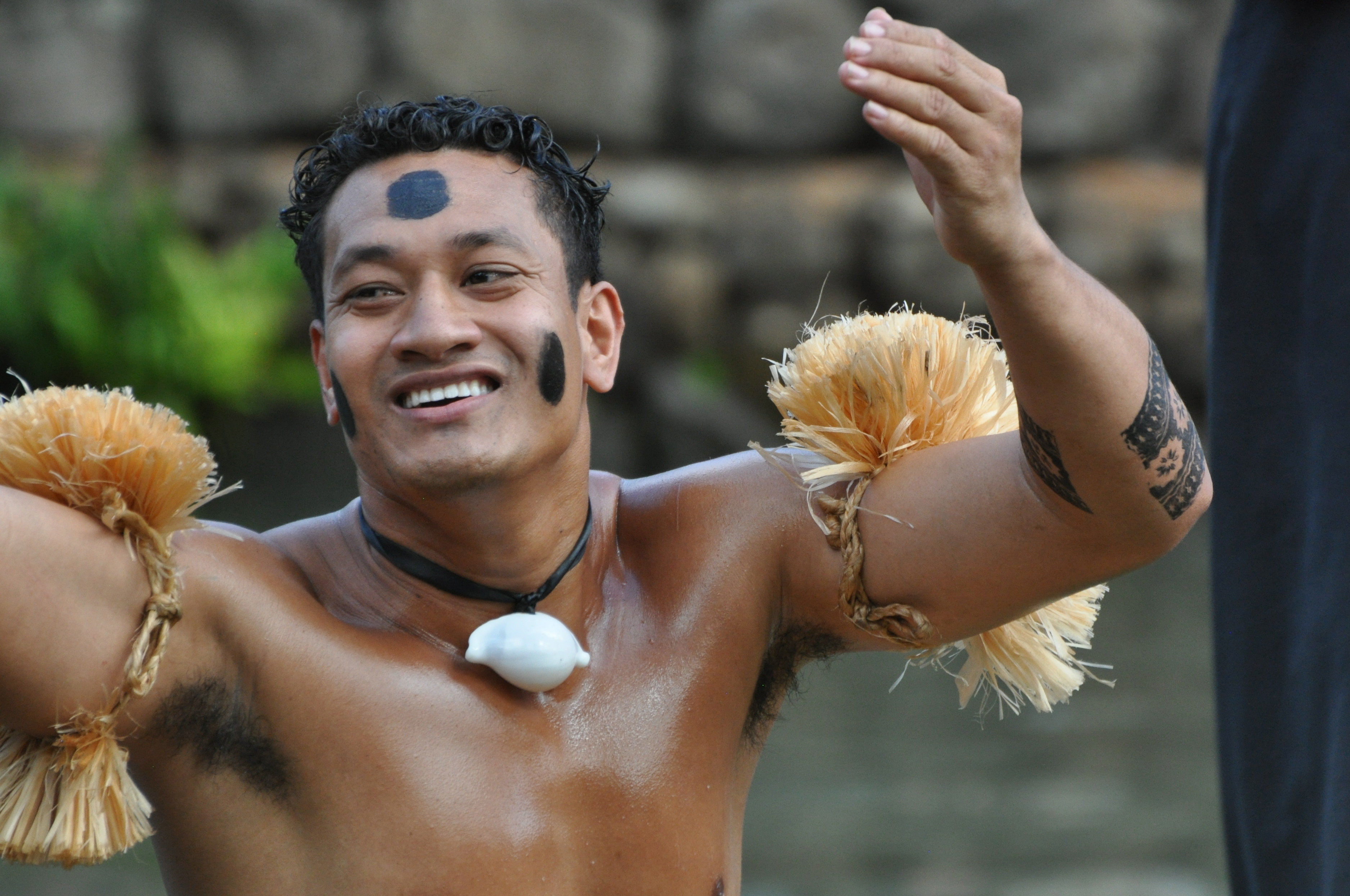
Swirling hips. Tossing sticks. Chest beating. Tongues hanging outside mouths. But most of all smiles. So many smiles. The sun is beating down on all these performers and they’re smiling from ear to ear.
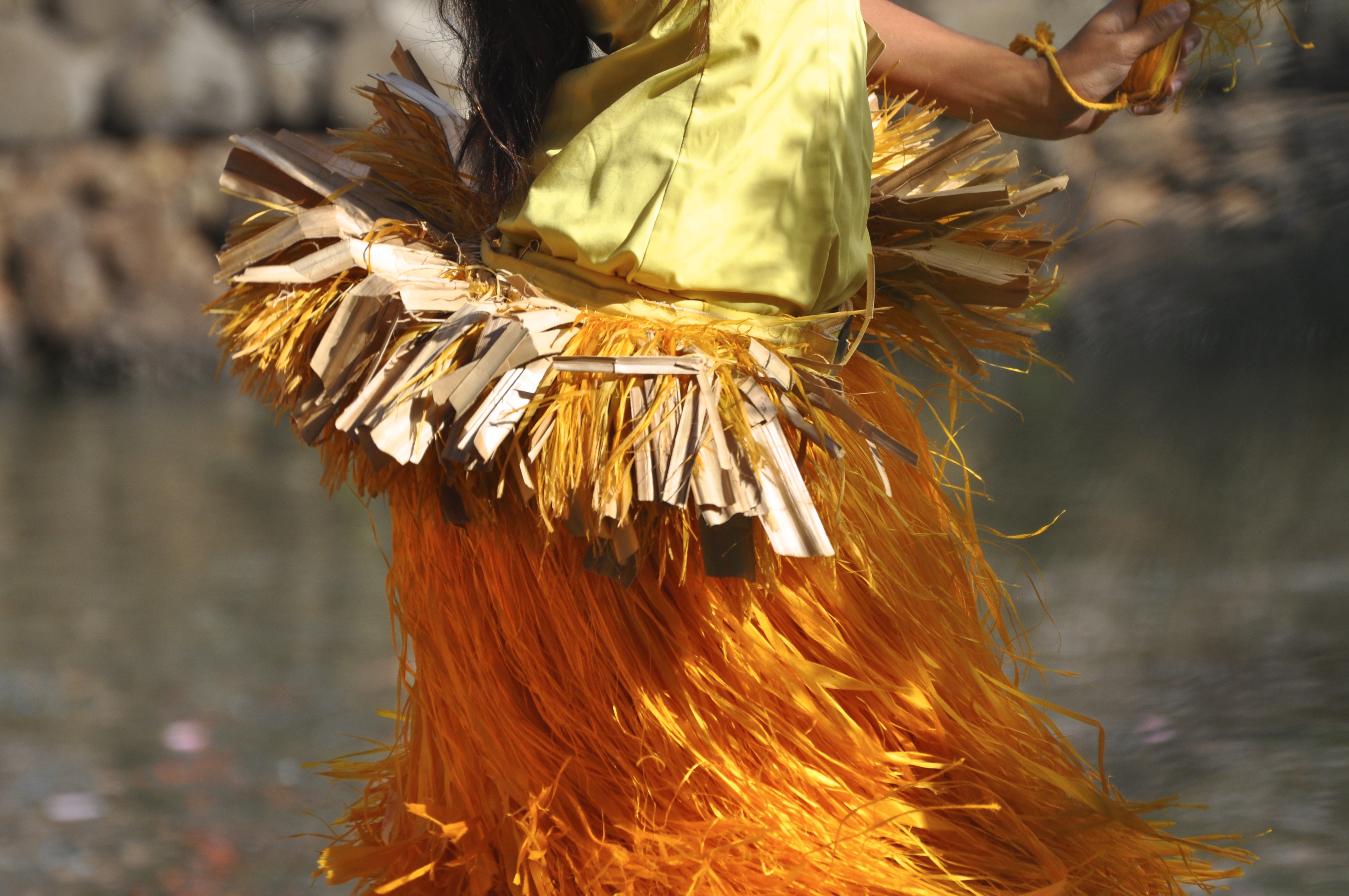
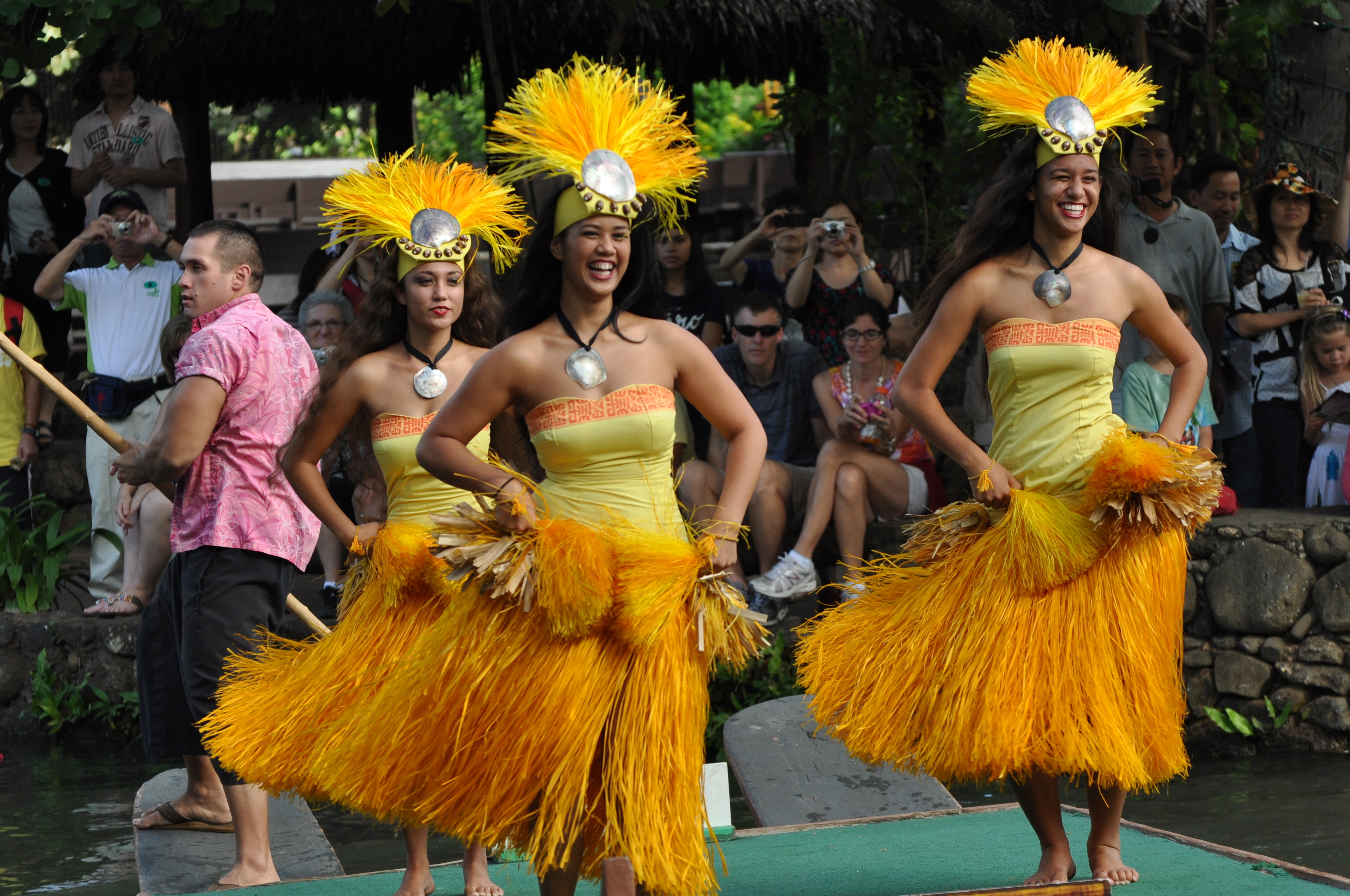
The rapid fire swirling hips of Tahiti
This happens at 2:30 every Monday through Saturday where native Polynesians float down the lagoon at the Polynesian Cultural Center (PCC) in their traditional costumes. It’s a parade and visitors are here to get a sampler plate of the culture represented at the Center as the performers float by.
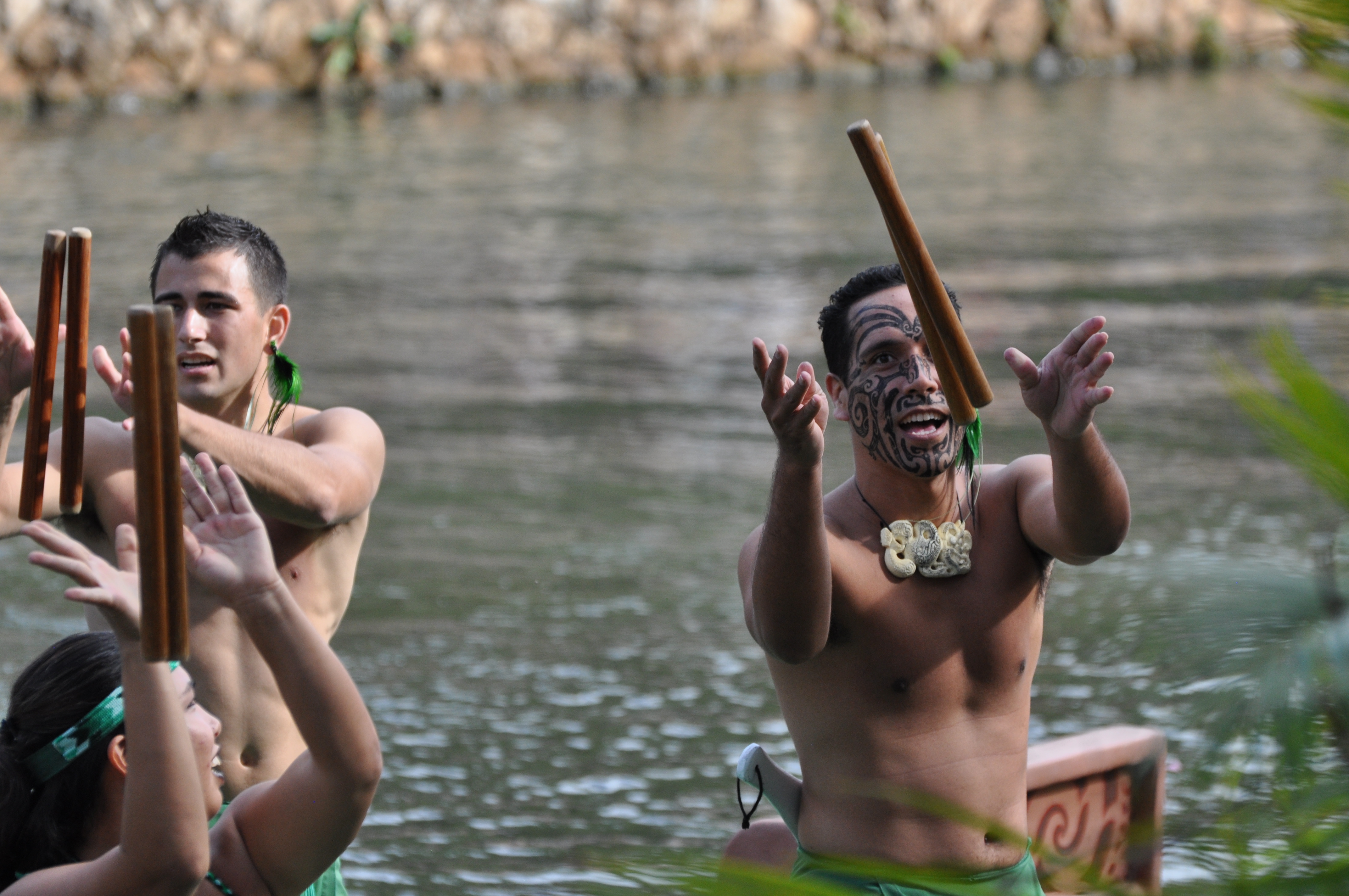
Stick tossing (Aotearoa – New Zealand – Maori)
The Polynesian Cultural Center, located on Oahu’s north shore in Laie, Hawai’i is a place for cultural immersion not just of Hawaiian life, but of the Polynesian islands in the Pacific, specifically, Aotearoa (New Zealand), Fiji, Hawai’i, Samoa, Tahiti and Tonga. And it’s not just about putting on a show for visitors. This place is unique and there’s a big reason why you see the smiles.
Tongan smiles
Tahitian smiles
The Polynesian Cultural Center is actually a nonprofit center dedicated to helping preserve the cultural heritage of Polynesia while providing jobs and scholarships for students at the adjoining Brigham Young University-Hawai‘i campus. Yes, 100 percent of PCC’s revenue is used for daily operations and to support education.
Smiles from Fiji
More smiles of Fiji
Many of these students would have not had the opportunity for an education otherwise. Most students attend the University year-round and try to complete their degree in three years–what would take most of us four years to do. They do that because oftentimes they just can’t afford to go home for holidays. No weekend trips to go have mom do your laundry. Not even to go home for Christmas. For most, the next time they go home, they’re going home with a Bachelor Degree and the ability to help their community.
And of course, the smiling faces of Hawai’i
Samoa
Where else in the world do you find a University that’s sole purpose is to bring together students from the far reaches of the the Pacific to help educate them and to give them an opportunity to share their culture with others as a means to pay for that education? It’s a true benevolent way of education and the benefits reach far beyond just the classroom.
They look fierce, but they still smile. (Aotearoa – New Zealand – Maori)
I sat down with Delsa Moe, Cultural Presentations Director at the PCC where she described her own experience with self-identity and learning of different cultures. Delsa, who was born and raised in Samoa calls herself half taro and half potato (her father is Samoan and her mother is from Blackfoot, Idaho). She not only attended BYU-Hawai’i as a student, but also worked at the PCC where she fell in love with dancing and performing, and has now been at the PCC for 34 years.
Video is only two minutes, so worth a look at.
This year, the Polynesian Cultural Center is celebrating 50 years of perpetuating and preserving the cultures of Polynesia. All year, the PCC will have special pricing and promotions, so check out their website at www.Polynesia.com.
It is big. It is colorful. It is busy. And it is full of children on this particular day. It must be the day for field trips to Quito. Children, led by a leader, form a long chain as they hold hands through the busy streets and sidewalks. They are here to learn about Old Town in Quito like me.
Children on a field trip to the Palacio de Gobbierno or Presidential Palace
School children navigate Old Town Quito
Quito was really a pause between adventures. We had just spent a week in the Amazon in Ecuador and we had two nights in Quito before we were headed to the Andes. I had seen pictures of Quito and read my travel guide. There is plenty to find out on this UNESCO World Heritage Site. But one day wasn’t enough to take it all in. Oh to be a student again and I would spend a semester here and become part of the cement or the cobblestone or the walls. I’d be able to learn more about the religious history of this area and the struggle to hang on to one’s beliefs. That struggle has been there for centuries and continues. Quito is evident of that both historically and today.
Madonna statue atop El Panecillo (the tallest Virgin Mary statue in the world and only one, it seems, with wings.)
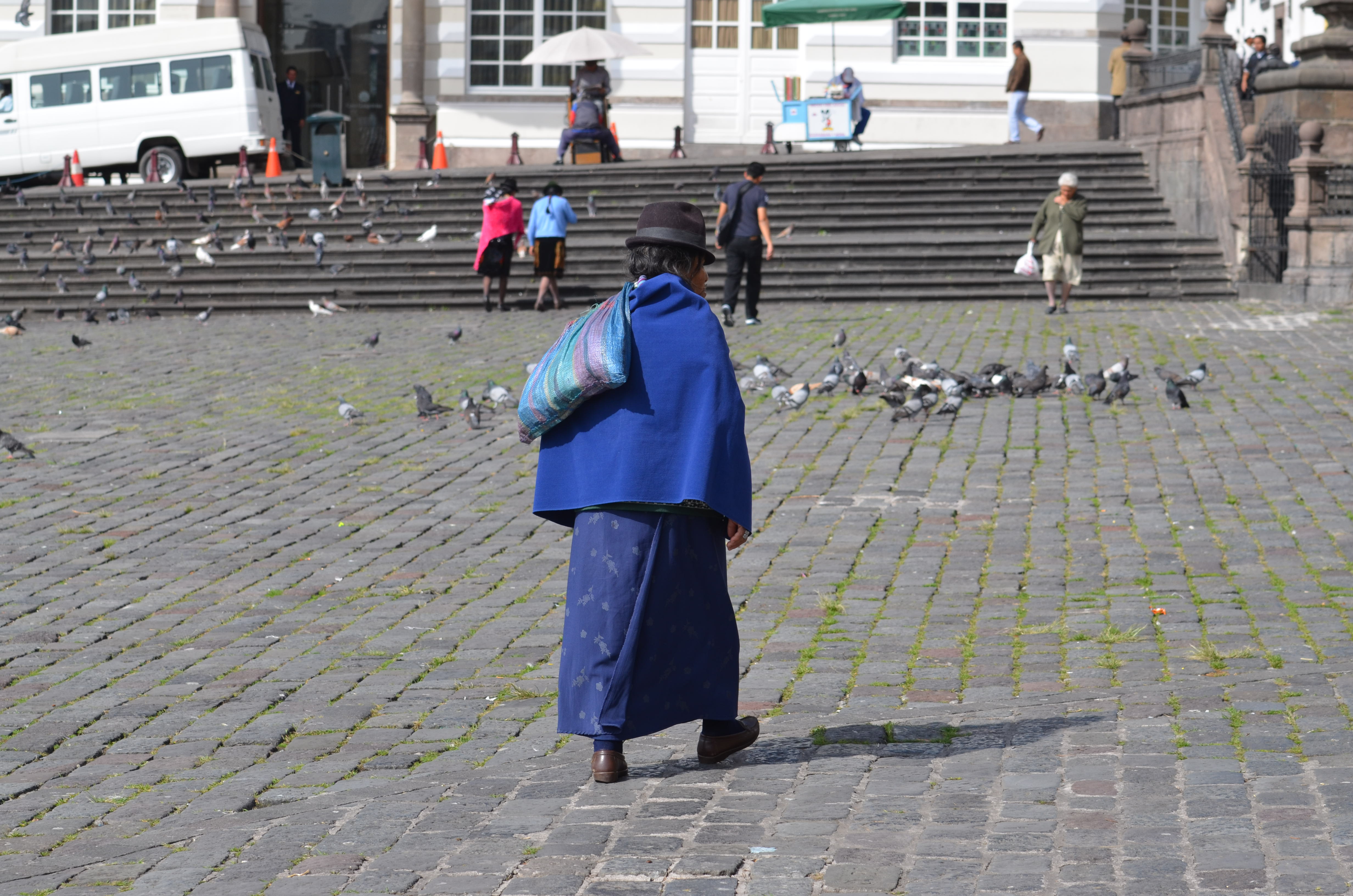
There is a mix of the traditional and the modern here in Quito
It was the day before Good Friday in Quito and the city was preparing for the big celebration the following day. Churches were mostly closed and benches were being set up to prepare for the procession Jesus del Gran Poder, one of the biggest processions in South America for the Easter holiday.
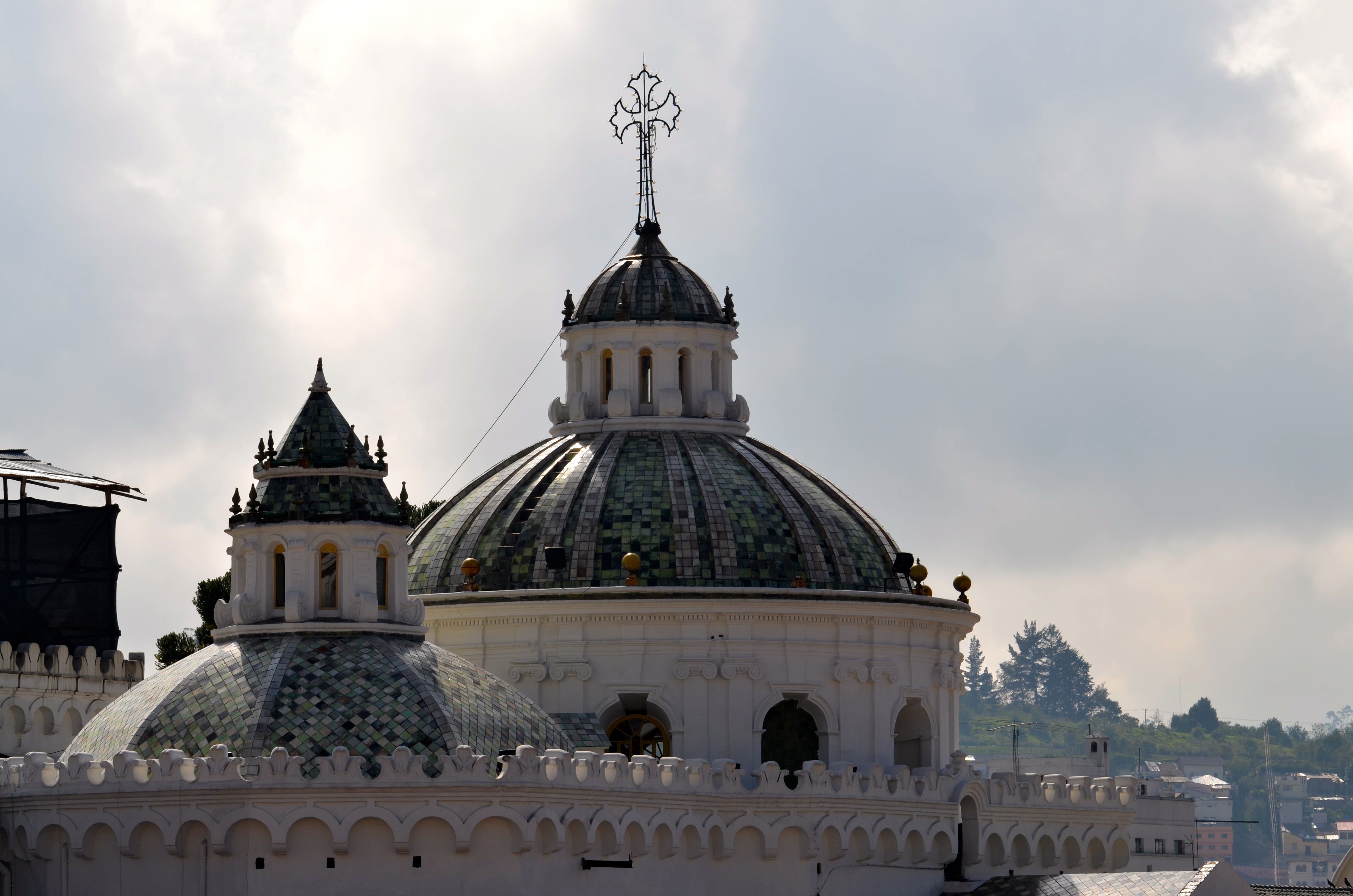
One of the many churches in Old Town Quito
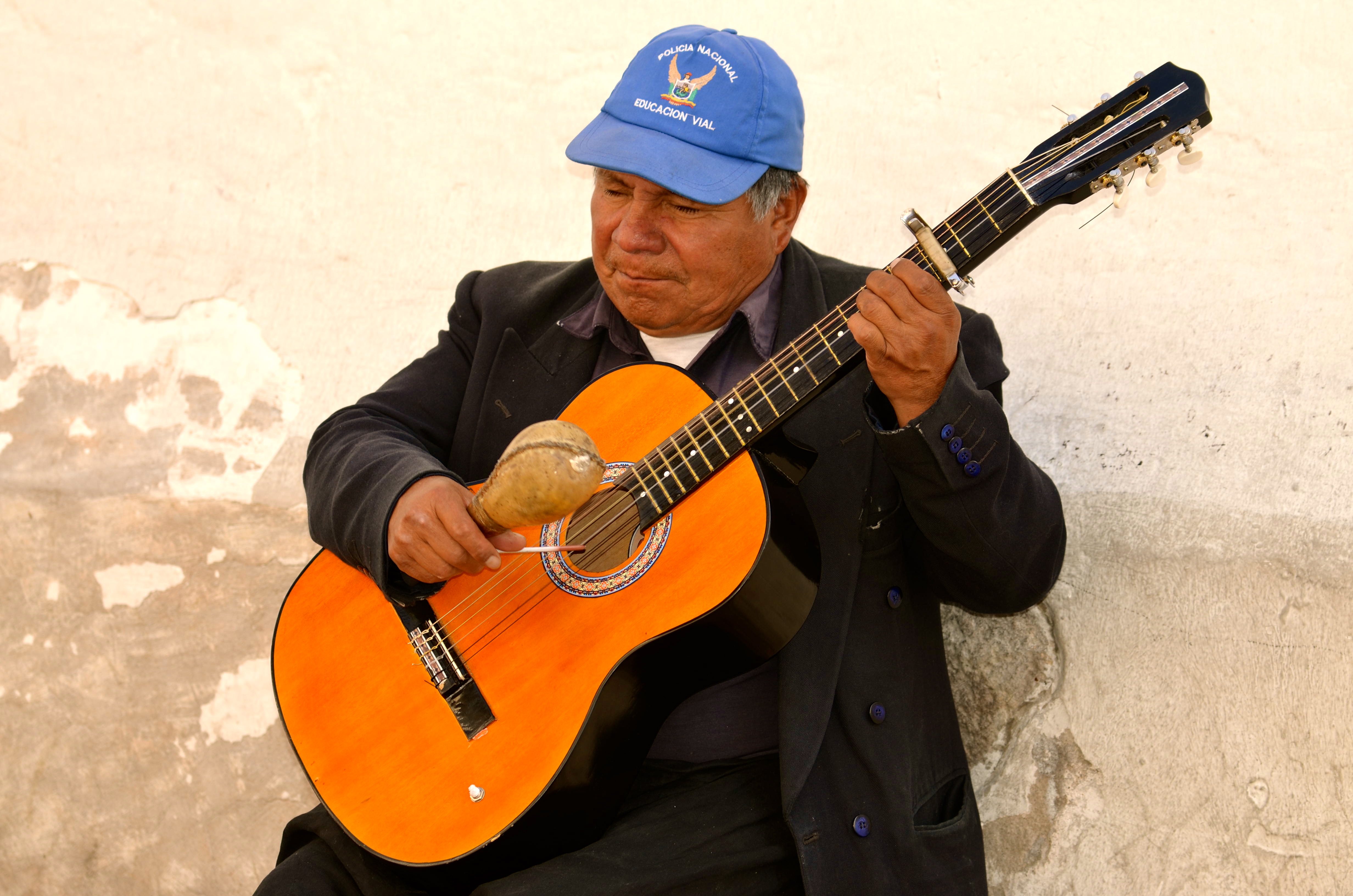
A man sings in the streets.
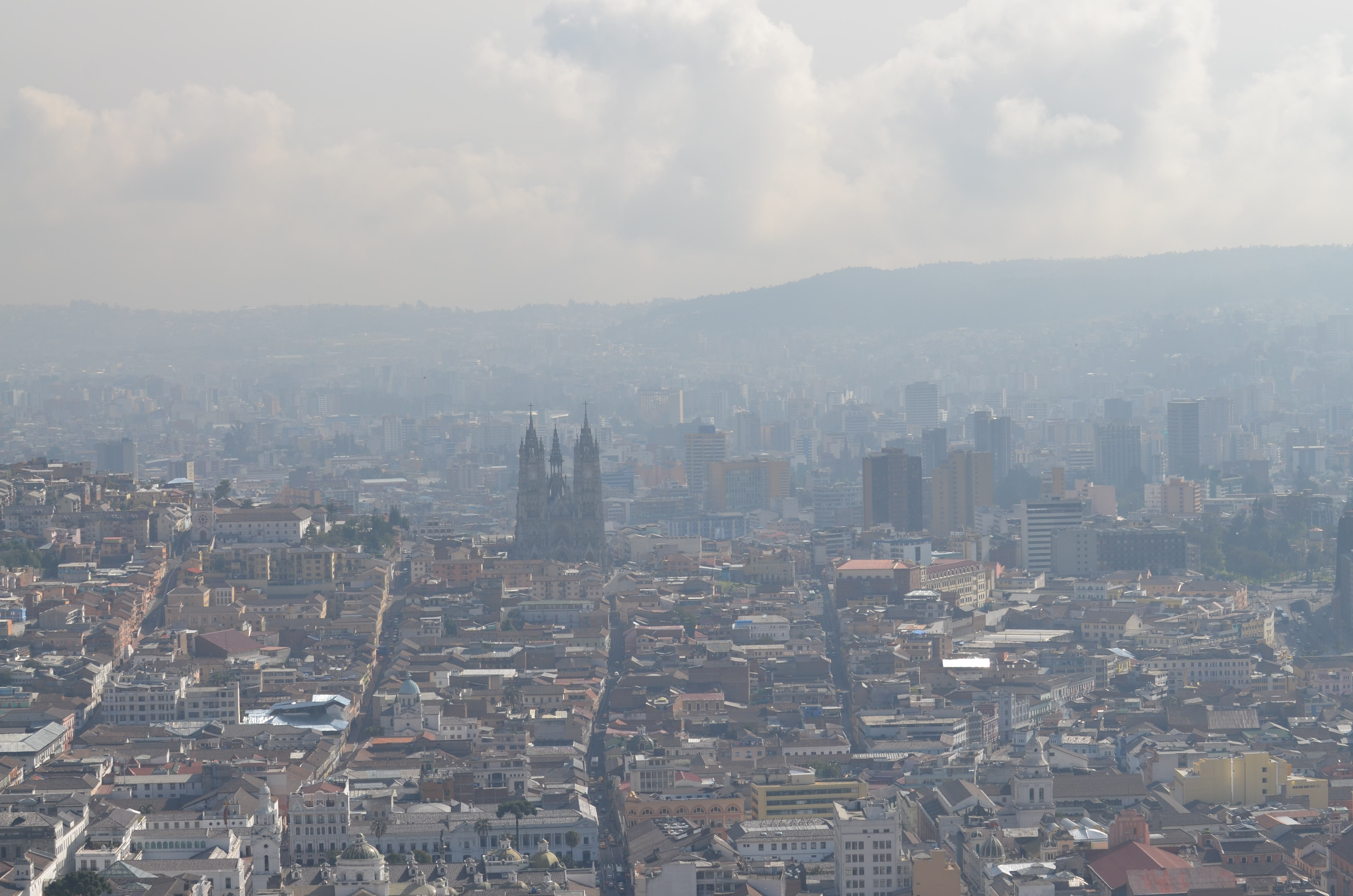
View of Quito from El Panecillo
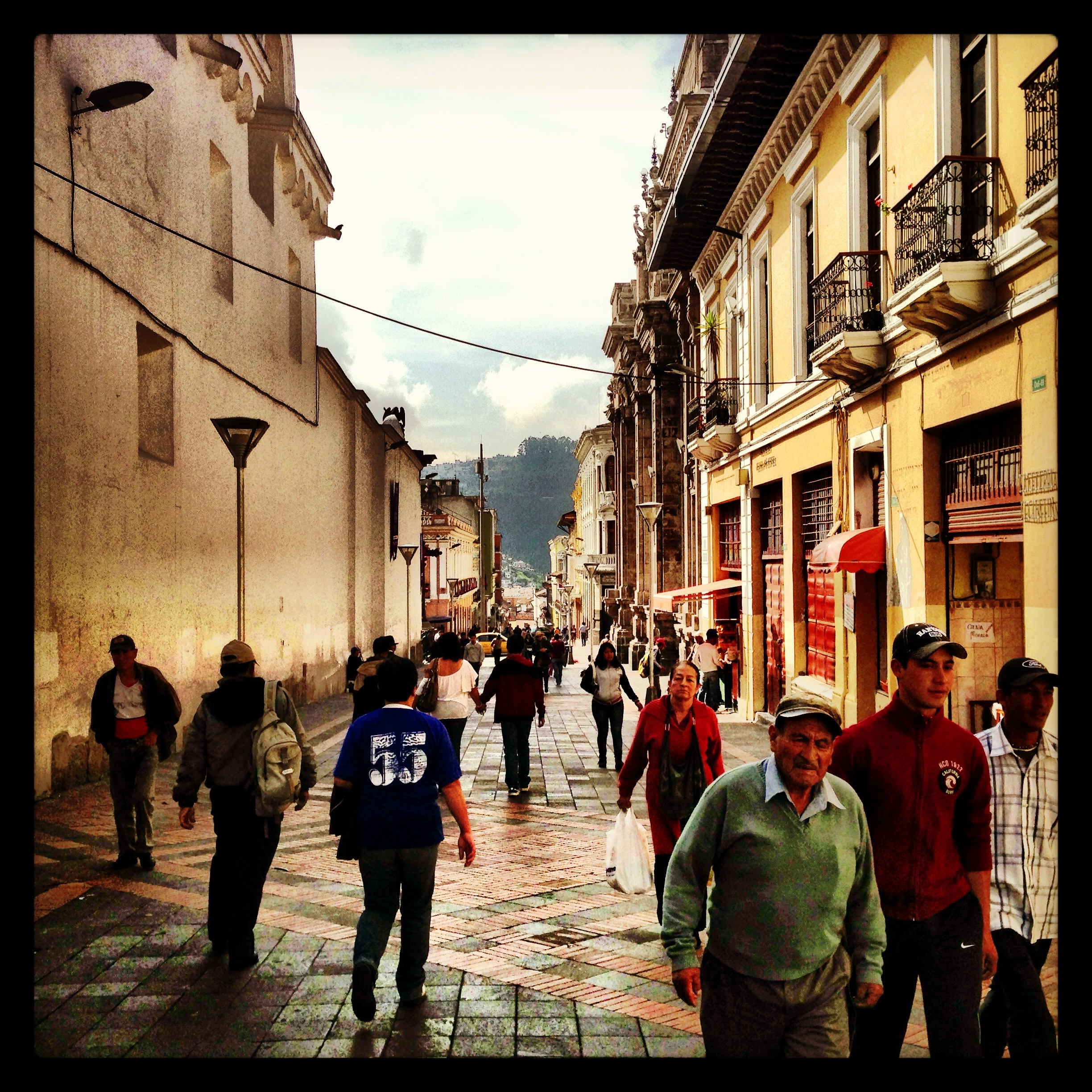
Looking at Quito through the “retro lens of Instagram” helps me keep Quito preserved in the past. I think I like it that way and hope that all the little children who walk through Quito hand in hand will remember it that way too.
Old Town Quito (Instagram)
My favorite photo of Quito that I took looks just like an old postcard. (Instagram)






 The baby aspirin years